His Legacy Was Love


Mohd. Hanafiah Bin Saly is a gifted artist with immense talent. He found his voice as a singer, actor, musician, songwriter and drama producer. He is fondly know as Jepp Saly.
Yet Jepp was never defined by applause or recognition. At the height of his career, he quietly stepped away from the spotlight, choosing instead to create from behind the curtains rather than stand centre stage.
For Jepp, family was always the greater calling.
Harris remembers his father as gentle and kind-hearted — a man who gave quietly but completely. His love was never loud, but it was constant. It extended far beyond his immediate family. Nephews and nieces adored their Pak Ngah. There was something about Jepp — his warmth, his soft tone, the way he lowered himself to a child’s eye level — that made little ones feel instantly safe, cherished, and understood. Harris often describes it as a kind of quiet magic.
Everything shifted in September 2023.
The diagnosis came without warning: Stage 4 liver cancer. Silent and merciless, it revealed itself only when it had already advanced. The news altered the rhythm of their lives overnight.
As the illness progressed and the pain increased, it became clear that Jepp needed specialised support. In October 2023, he was referred to Kasih Hospice Foundation. He had just been discharged and was still at the hospital lobby when Nurse Izza called to understand his condition and the support available at home. A home visit was arranged for later that week.
The next morning, panic seized Harris.
He found his father pale and unresponsive in bed, his breathing shallow. Fear took over. Harris immediately called Nurse Izza.
“Check his blood sugar,” she said gently, recognising the signs of hypoglycaemia from the tremor in Harris’s voice.
Dr Munirah remembers visiting Adam on the day of his passing.
With shaking hands, Harris tested his father’s glucose level. It was dangerously low. Nurse Izza’s intuition had been spot on.
“Give him something sweet,” she instructed, calm yet firm.
Minutes later, Jepp stirred. He came back.
Later that day, Hospice nurse Nurul Izza arrived at their home in Rawang. She conducted a thorough assessment, reviewing and adjusting Jepp’s medications to keep him comfortable and closely monitored. Beyond her clinical care, her calm presence helped ease the weight of the situation. She spoke openly and honestly with Jepp about his condition. If needed, would he want to go to the hospital to stabilise his sugar levels?
Jepp was clear. He wanted to remain at home.
Nurse Izza also gently then prepared the family for what was unfolding — that Jepp had likely entered the end-of-life phase, and that time might be measured in hours, not weeks.
In those moments heavy with uncertainty, she cared not only for the patient, but for the family. She saw the exhaustion in Harris’s eyes. She recognised the grief behind Fatin’s steady composure — a woman bracing herself to lose her soulmate. At times, Fatin found quiet solace in Nurse Izza’s embrace — a small but powerful refuge in an overwhelming season of loss.
In Jepp’s final stretch, Harris stood beside his father not only as a son, but as a caregiver. The roles had reversed in ways neither of them spoke about, yet both deeply understood.
One memory remains etched in Harris’s heart.
He was helping his father bathe and gently shaving his face. Jepp, now frail and reduced to skin and bone, looked down at his thinning legs. In a voice faint but steady, he spoke to his son — a moment of vulnerability that needed no grand words, only presence. Harris understood then that love sometimes means standing steady when the person who once carried you can no longer stand on his own.
With a faint smile, Jepp asked for something simple: his favourite drink from Tealive and some pizza. The children hurried to fulfil this small wish. Their hearts were breaking, yet they were grateful for one last opportunity to show their love in the most ordinary, human way.
Jepp Saly drew his final breath — cradled in Harris’s arms, his frail body resting gently on his son’s lap. He left this world wrapped in love.
His legacy was not measured in applause, but in the tenderness with which his children now speak of him — in the gentleness he modelled, the quiet strength he embodied, and the love that continues to ripple through his family.
Grief settled heavily over the household, quiet but consuming after Jepp’s passing.
Some months later, the family received an invitation to Kasih Hospice Foundation’s Memorial Day — a special gathering where families of former patients come together to remember, honour, and celebrate the lives of their loved ones. It is one of the ways Kasih Hospice continues to walk alongside families, even after a patient’s journey has ended.
At Memorial Day, Harris and his family sat among others who understood loss without needing explanation. In that shared space of remembrance — through stories, reflection, and quiet rituals — it brought comfort to his mother. For the first time in a long while, she did not feel alone in her grief. There was strength in being among others who understood, and healing in being able to speak Jepp’s name openly.
Grief does not disappear. But with compassionate support and a community that remembers, it becomes something a family can carry — instead of something that carries them.
For Harris and his family, Kasih Hospice did more than manage symptoms at the end of life. They created space for dignity, for honest conversations, for comfort — and later, for healing.
Adam's Final Match: A Story of Love and Courage


Adam Irwan was the kind of boy who left an impression.
A lively, athletic, and well-loved teenager, he spent his days on the football and rugby fields at his boarding school in Kedah. His goofy and easy-going charm made him a favourite among his peers.
However, life took an unexpected turn when Adam began experiencing intense back pain. Adam was admitted to Pantai Hospital in Kuala Lumpur. There, he underwent decompression surgery, but what followed was a diagnosis that would change everything. The diagnosis was Spinal Ewing Sarcoma.
Adam was only fifteen.
Adam underwent chemotherapy, supported at every step of the way by his devoted parents and his older sister. Chemotherapy brought with it a host of physical challenges. Yet, in the face of such harsh and punishing challenges, Adam displayed extraordinary inner strength.
Adam’s condition didn’t get better. Encik Irwan, Adam’s father, decided to stop the different treatments and bring Adam home.
Adam was then referred to Kasih Hospice Foundation in August of 2021.
When Dr Munirah Ibrahim first visited Adam at home, he was already very weak, in pain, and entering the final phase of his life. He could barely communicate. With his parents’ consent, Dr Munirah focused on keeping him comfortable, using morphine for pain relief and teaching the family how to safely administer his medications.
Like any parents, they were deeply worried about his symptoms and wanted him to be as comfortable as possible in his final days. They spoke about Adam — a bright, kind and thoughtful boy who had shown remarkable strength throughout his illness, often stronger than they felt themselves.
Though they knew they had to let him go, it was still incredibly difficult. Dr Munirah spent time simply listening, giving them space to share their memories and emotions. In those moments, the deep love between Adam and his parents was unmistakable, strengthened by the family’s strong spiritual faith as they faced this painful journey together.
Dr Munirah remembers visiting Adam on the day of his passing.
Adam was seated upright on a reclining sofa, unconscious but expressing sounds of discomfort. The house was full with his classmates, teachers and family around him. Adam’s parents wanted to move him to the hospital bed but were concerned about distressing him even more. Dr Munirah administered medications ensuring Adam’s symptoms were minimised, and provided careful instructions so that everyone could help to move him in a safe and gentle manner.
Once he was on the bed, Adam was much more relaxed and comfortable, giving great relief to everyone there. Dr Munirah counselled Adam’s parents that time was getting shorter and to be prepared for him to leave soon.
Later that day, Adam passed on peacefully with his mother by his side.
Dr Munirah visited Encik Irwan and his wife a week after Adam’s passing.
They shared about the events of the last day, how comfortable he was, and how it felt like Adam had signalled for his Mum to be with him when he passed his last breath. She felt so thankful to have been there with him at that final moment. En Irwan also shared however, that they had also been feeling a deep sense of guilt since then, as they wondered whether the action of moving Adam to the bed was what led to his passing.
Sensing the intense guilt that En Irwan and his wife felt, Dr Munirah stepped in to provide support for them. As with previous spiritual conversations, Dr Munirah began by listening deeply to their concerns, holding space without judgement or the need to offer answers. With a calm and gentle presence, she reflected back what she observed and invited them to explore why this particular memory held such weight for them. Rather than telling them how they should feel, she offered a tender re-framing: that on Adam’s final day, he was surrounded by love—from his classmates, teachers, friends, and family—love that held him even in that moment.
Dr Munirah gently invited them to remember how ill Adam already was and how moving Adam had brought him comfort, not distress. She also reminded them that Adam’s moment of passing would not have changed, even by a second — it was simply his time. Her words brought immense relief after days of guilt. It helped them accept his passing, knowing they had done their very best for him, and hold on to the hope of one day being reunited with him again.
Encik Irwan shared one special moment, after the passing of Adam, that caught him completely off guard. He accepted an invitation from Adam’s former teammates to attend a football match. To Encik Irwan that invitation alone was heartwarming, steeped in remembrance of Adam. At the match, the boys presented him with a jersey, Adam’s jersey, adorned with his son’s name and number. A powerful tribute to the boy who had once worn it with pride.
That jersey was a symbol of love and the embodiment of everything Adam had meant to his teammates.
From Travel Dreams to Tender Goodbyes
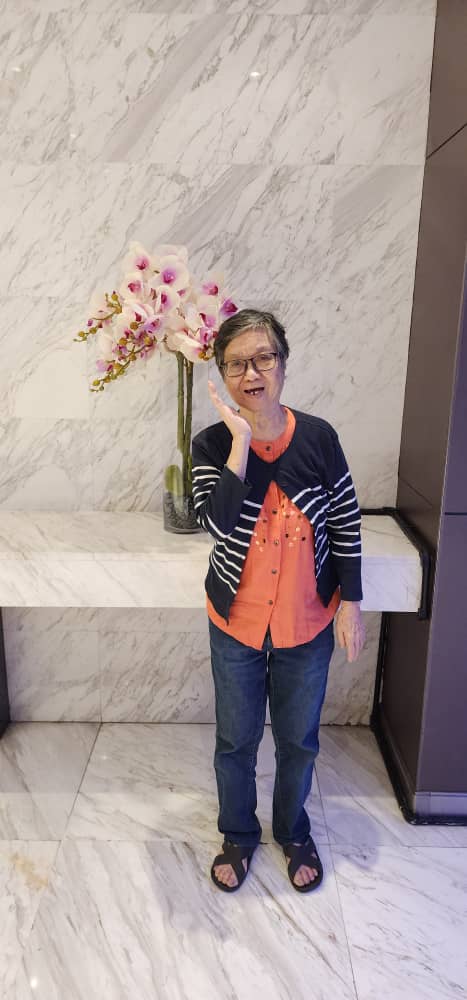
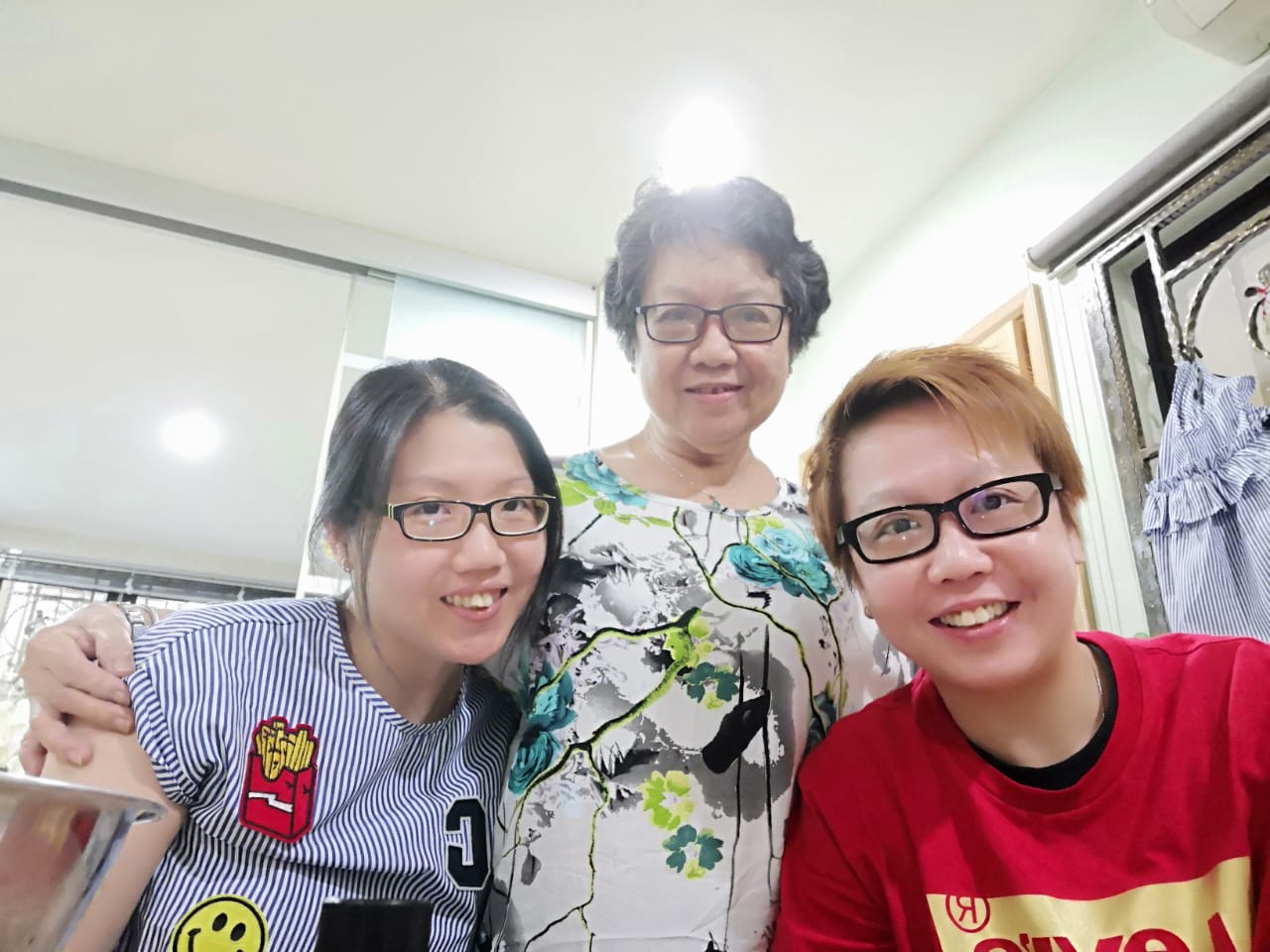
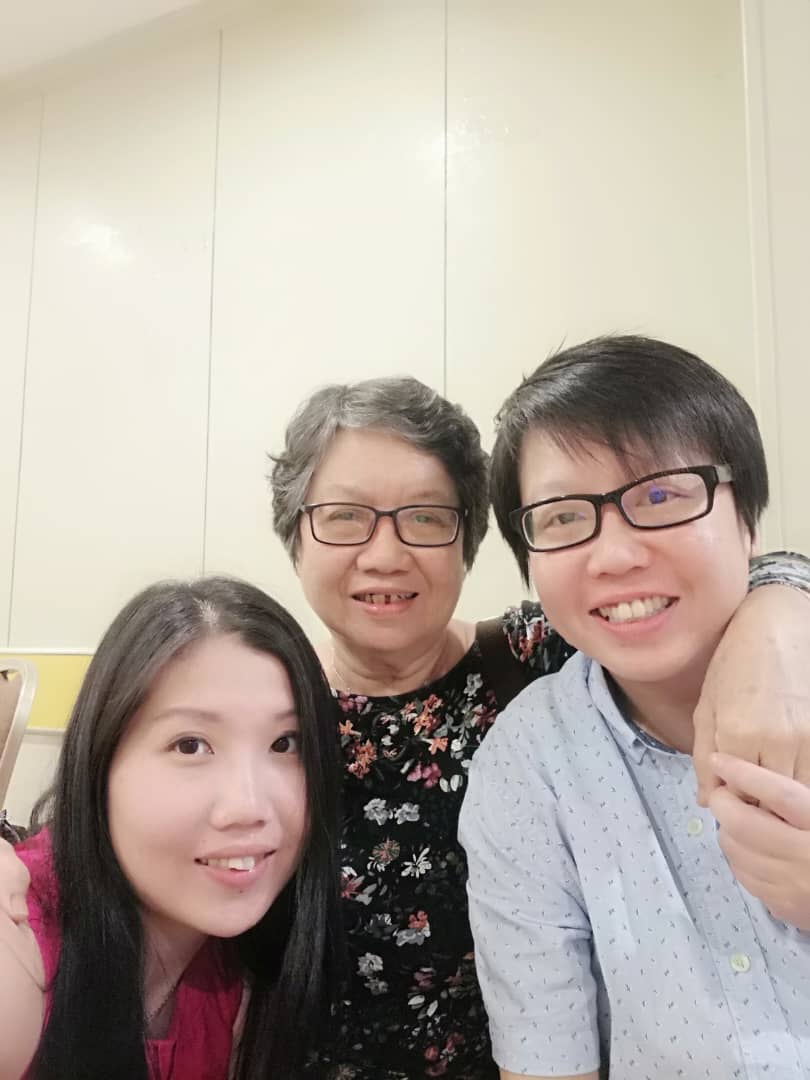
My mother, Tang Wai King, lived life with a quiet but unmistakable joy—most evident in the
way she loved food and travelling. Whether it was a short local getaway or a trip abroad, she
delighted in discovering new tastes, new places, and the simple pleasure of being on the
move. She was never one to complain of fatigue; even after a full day of exploring, she
would often be the last still eager to keep going—walking a little further, looking a little
longer, savouring each moment just a bit more.
For her birthday in 2023, we had planned a surprise trip to Taiwan. We brought together her
sister, my sister, and a few of her close friends. What unfolded was more than just a holiday
—it became a deeply meaningful time of togetherness. She was overjoyed, not only to be
travelling overseas again, but to be celebrating her birthday surrounded by the people she
loved most.
That trip carried an even deeper significance for us. Before her surgery, we had promised her
that once she recovered, we would take her travelling again. She held on to that promise
with hope. To be able to fulfil it, even in that moment, meant the world to her—and to all of
us.
She was truly happy. And for us, it remains one of the most precious memories we have of
her—seeing her smile so freely, doing what she loved most, with the people who mattered
to her.
When my mother was diagnosed with colon cancer, we struggled to come to terms with it
ourselves, let alone find the words to tell her. She has always been a lively, positive person
—someone who enjoys conversations, travelling, and finding joy in everyday moments.
Because of this, we made the difficult decision to delay telling her the full diagnosis until her
surgery was confirmed.Even then, we did not tell her it was cancer. We explained it only as an intestinal obstruction
that required surgery. We were unsure how to tell her the truth, and fearful of how she
might respond. We did not know what would happen if she understood the full extent of her
condition. In that uncertainty, we chose silence—out of fear, and out of a desire to protect
her, even as we carried that burden ourselves.
When her oncologist eventually referred my mother to hospice care, our understanding of
what that meant was very limited. We assumed it would feel similar to a hospital
environment—clinical, focused on illness, and something that might diminish hope or take
away her positive outlook on life.We were also deeply anxious about what would be shared with her, particularly regarding
the seriousness of her condition. At the same time, there was fear around treatment
discussions, especially chemotherapy, which she was already very apprehensive about.
When Nurse Sunita first visited, we were still carrying all of these worries.
What happened next slowly changed our perspective.
Instead of beginning with medical procedures or overwhelming details, she took time to
understand my mother as a person. She asked about her interests, her routines, and what
brought her comfort. My mother, true to herself, spoke about the things she loves—simple
conversations, familiar routines, and the importance of staying mentally strong.
There was a calmness in how Sunita approached the visit. She did not feel like a “hospital”
professional coming in to deliver instructions. Instead, she felt like someone who had come
to sit with us, to listen first before speaking. That shift alone eased much of the tension in
the room.
Over time, we began to trust her presence. Communication became easier, not just between
nurse and patient, but within our family as well. We were able to express our concerns
—especially around how much to tell my mother and how she might cope emotionally.
Sunita gently explained her role and reminded us that while honesty is important, so istiming,
sensitivity, and emotional readiness. She reassured us that care is not only about
treatment plans, but also about supporting the patient’s emotional strength and dignity.
What stayed with us most was the sense of calm she brought into each visit. She never felt
rushed, and she did not come in simply to check on symptoms. Instead, she came as
someone my mother could speak to—creating space for her to share her thoughts, ask
questions, and, at times, simply feel heard.
For my mother, this made a meaningful difference. She began to look forward to each visit
and would even record them in her diary. Sunita’s steady and reassuring presence helped
her maintain a sense of grounding, and gave our family emotional strength.
For our family, the change was just as significant. We were no longer approaching each visit
with fear or uncertainty. Instead, we felt supported and less alone in what we were
navigating.
Looking back, what Nurse Sunita brought into our lives went beyond medical care. She
offered a steady presence during a time when everything felt uncertain—when we were
moving between different opinions, hospital visits, and decisions, unsure of what to do next.
With her guidance, things became clearer. She helped us slow down, understand what was
happening, and focus on what truly mattered. Over time, we found our way from confusion
towards a quieter sense of acceptance.
She also helped us see palliative care differently—not as giving up,
but as a way to continuecaring for my mother with comfort and dignity.
Because of that reassurance, we felt ready to fulfil a final wish.
In November 2024, my sisterand I took our mother to Port Dickson. It was a simple trip, but a meaningful one—filled with
small, happy moments and the chance for her to enjoy the things she loved, especially food.
She passed in January 2025. That trip remains very close to our hearts.
A Tailor’s Tale of Sugi Cakes
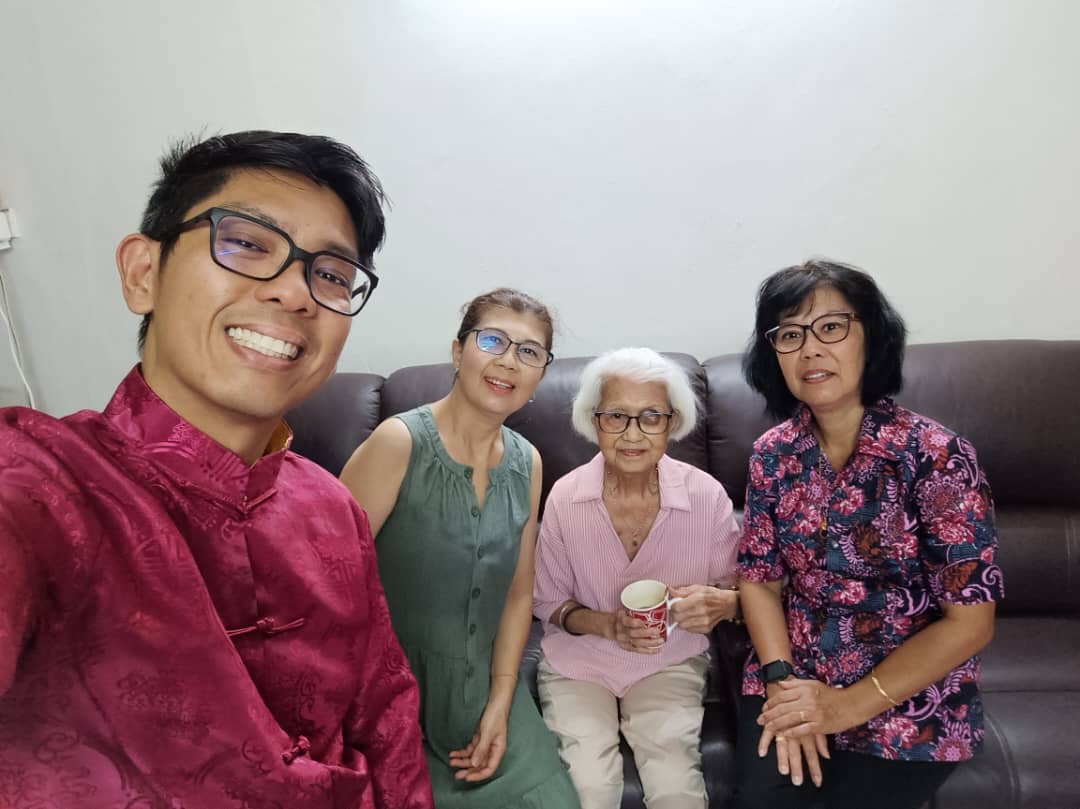
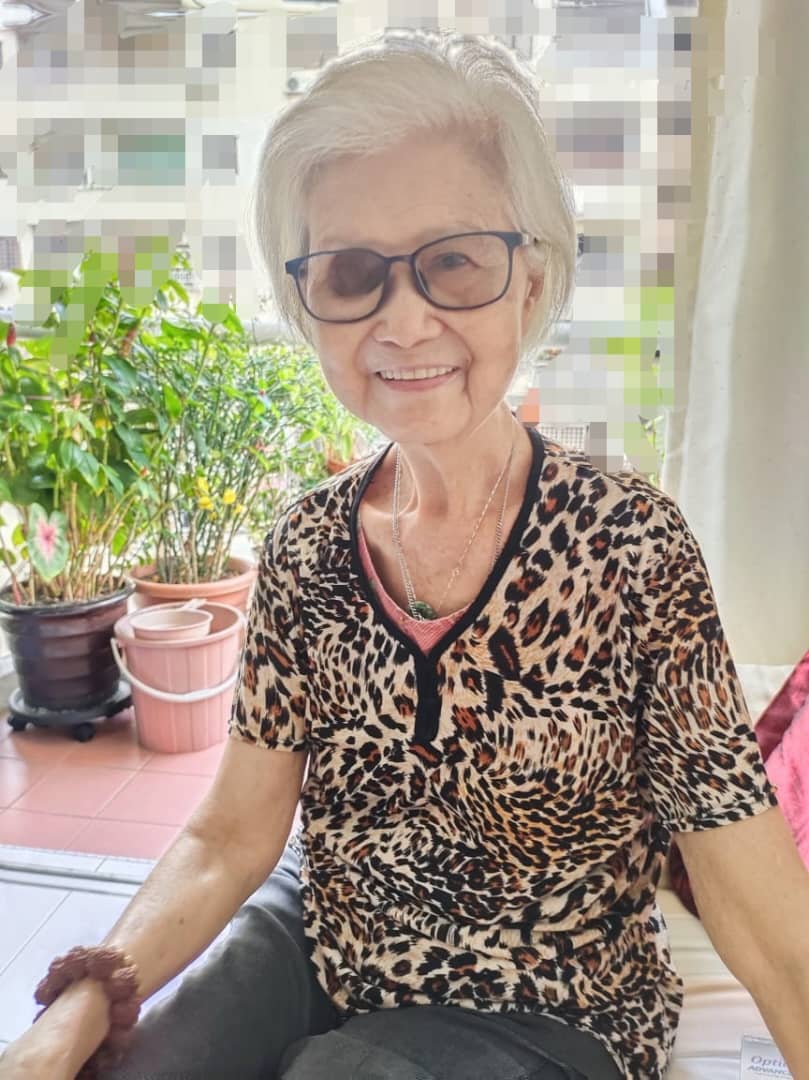
“Auntie, lu ho bo? Ji kai lei bai ok bo? Oo tiea bo?”
(How are you, Auntie? How was your week? Any pain?)
That is how Lisa remembers Dr Justine greeting her mother during every visit — speaking
gently in Hokkien, in a tone that immediately helped her mother relax.
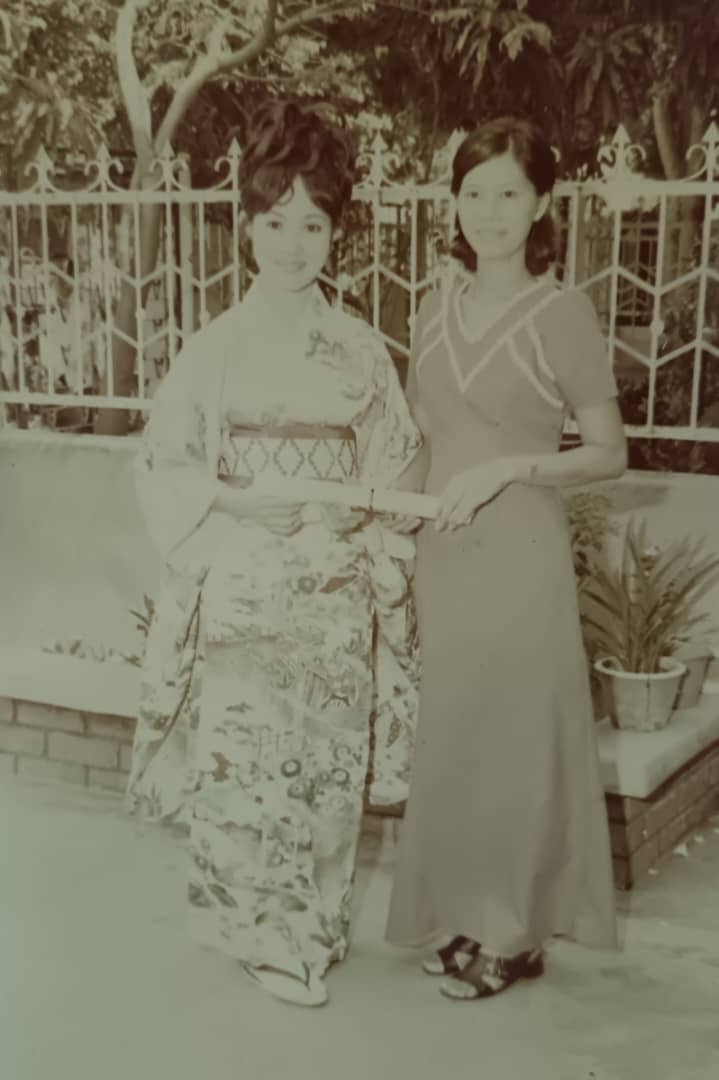
Lisa is the youngest of four siblings. Her mother, Goh Tang Tee, was a talented tailor who learnt
her craft from a teacher trained in Japan. Lisa still remembers the signboard that hung at the
gate of their house in Penang, advertising her mother’s tailoring services — the skill that helped support the family.
Her mother was also a devoted Buddhist who meditated every day.
Years later, Lisa became the last of the siblings to move to Kuala Lumpur, and her mother eventually moved there with her.
When her mother was diagnosed with terminal cancer, Lisa’s world turned upside down.
Cancer was something they had heard about, something that happened to other families —but never something they
imagined happening to their own, and certainly not to their mother. The shock and anxiety of the diagnosis
affected Lisa deeply. She remembers how the stress even caused her physical symptoms, including severe diarrhoea.
What surprised her most was how differently her mother received the news.
Her mother remained calm and serene.
This was a woman who had already endured so much. Years earlier, she had been diagnosed
with sebaceous carcinoma of the lower eyelid, and one of her eyeballs had to be removed
because of the cancer. Yet even with a stage four diagnosis now, she accepted it
with remarkable peace.
Lisa and her siblings immediately sprang into action. Like many families, their first
instinct was to search online for answers — how to care for someone with cancer,
what food a cancer patient should eat, what changes they should make.
Lisa quickly adjusted her mother’s diet, reducing sugar and salt. When they explained the changes to her, her mother simply accepted it with the same calmness.
In July 2025, Aunty Goh was referred to Kasih Hospice.
Despite her illness, she remained positive and cheerful. She especially looked forward to visits from Dr Justine, who was also from Penang.
Being able to converse in Hokkien made a difference — her condition and symptoms could be
explained clearly, and the familiarity of the dialect put her even more at ease.
“My mother always looked forward to Dr Justine’s visits,” Lisa recalls. “She was very professional, but she also brought joy — even to patients who are dying.
”Even as Aunty Goh’s condition deteriorated, Dr Justine always greeted her with a smile. There was never any sense of rush or panic during the visits. She remained calm and reassuring, never showing worry in front of the patient.
That calmness mattered. It reassured Aunty Goh that she was in good hands, and it also helped ease the anxiety of the family caring for her.
After checking on Aunty Goh, Dr Justine would then sit down with the family and speak honestly about what to expect in the coming days or weeks.
She explained the signs of deterioration they might notice — changes in breathing, a slowing pulse — and guided them on how to care for Aunty Goh during those moments.
She showed them how to position her comfortably, how to continue speaking to her, and what to do when the time came.She even walked them through practical
matters many families may not be prepared for —who to call, how to inform the ambulance so they could certify the death, and what the next steps would be.
Dr Justine also provided medications to keep Aunty Goh comfortable, anticipating symptoms that might arise such as restlessness, agitation, or the “death rattle” that can occur near the end of life.
Before leaving, she would remind them gently:“Call me if anything happens that worries you. Even if it’s the middle of the night.”Lisa also remembers the day the hospital bed arrived.
Aunty Goh only needed the hospital bed near the end of her journey. Once the family requested it, Kasih Hospice quickly arranged for the bed to be prepared and ready for delivery.
By coincidence, it arrived on Aunty Goh’s birthday.Today, when Lisa thinks of her mother, she remembers more than the illness.
She remembers the tailor who supported the family with her craft, the quiet discipline of her daily meditation, and the calm strength she carried even through illness.
And she remembers the small kindnesses along the way — like a doctor who spoke to her in Hokkien, and a hospital bed that arrived just in time, on her birthday.
When women cares
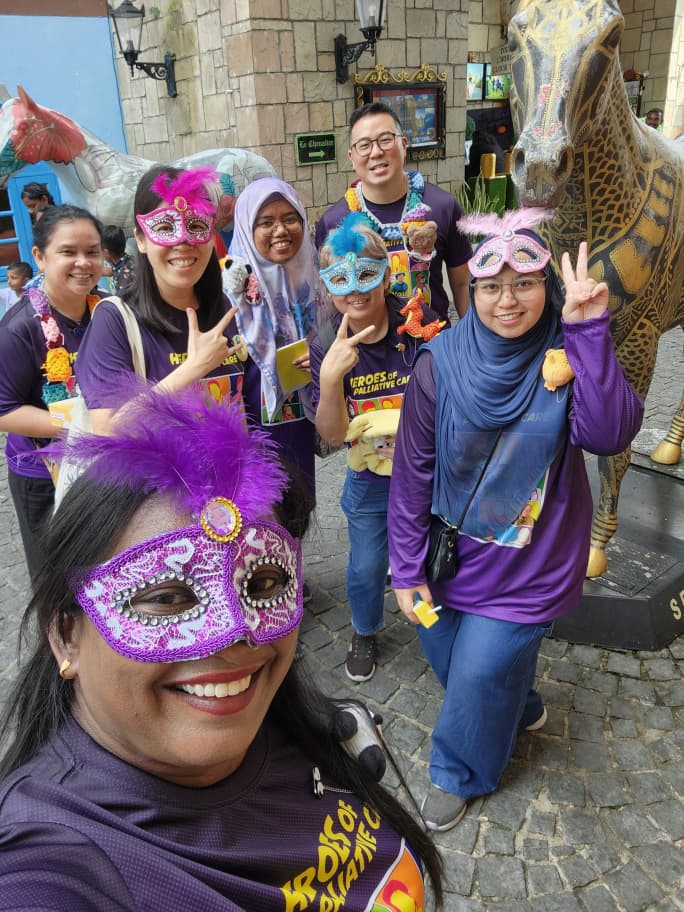
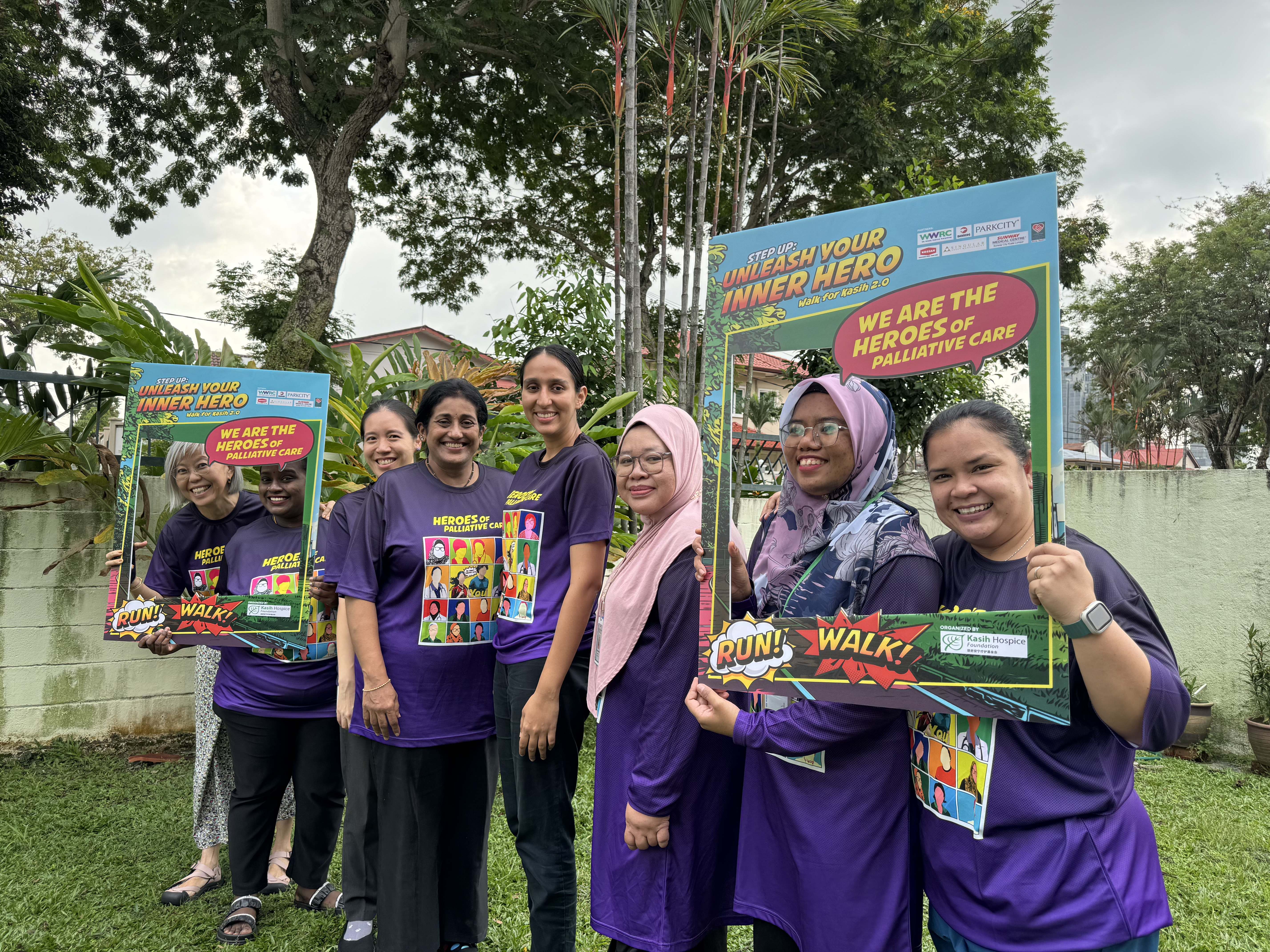
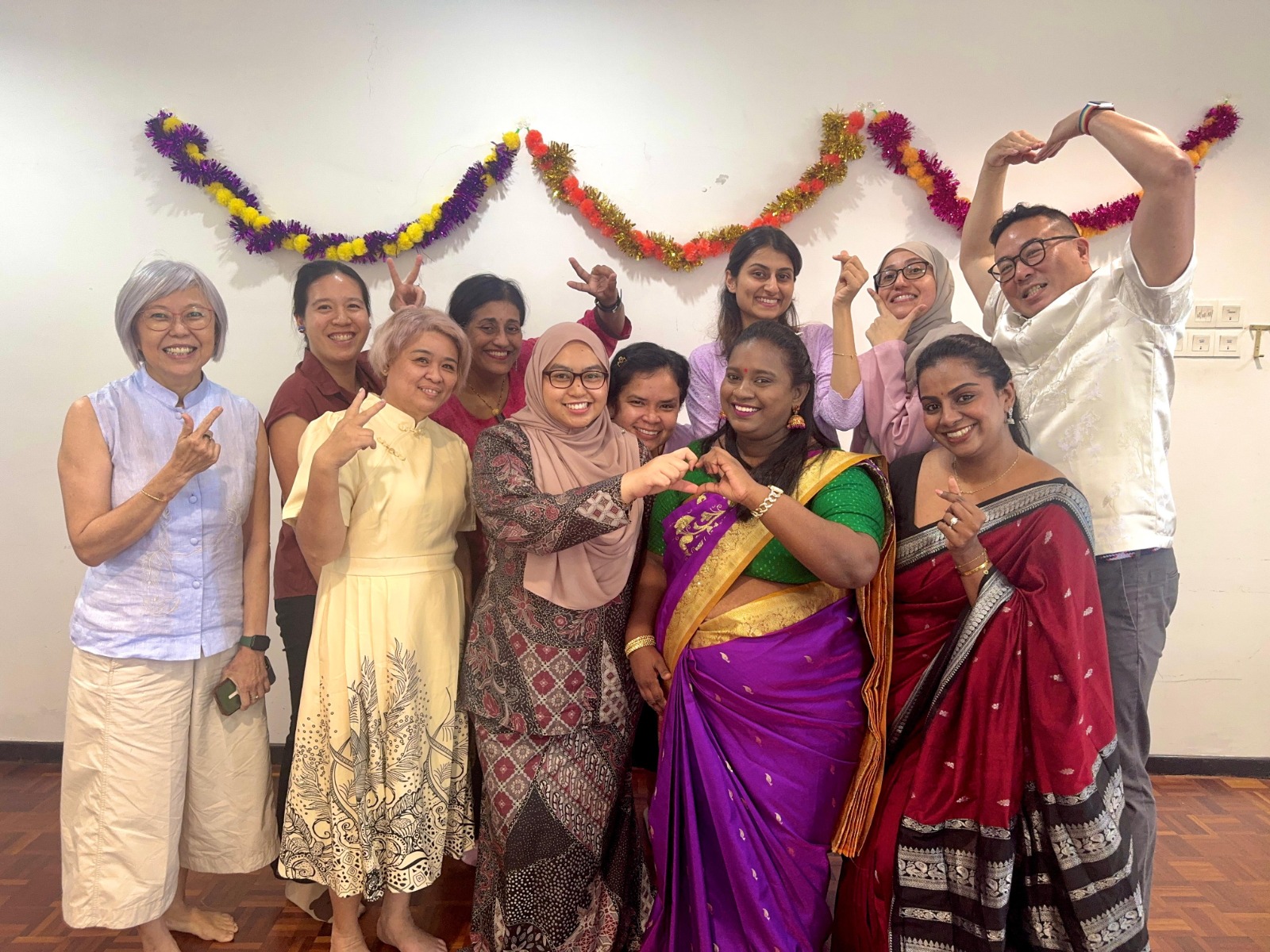
The Women Behind Every Home Visits: Stories from Our Hospice Team
At Kasih Hospice Foundation, care rarely happens in hospital corridors. It happens in living rooms,
beside worn armchairs, at dining tables that have seen decades of family meals. It happens quietly.
In our community hospice model, our doctors and nurses travel alone to patients’ homes.
Each has her own coverage area.
Most days are spent on the road, moving between homes, managing symptoms,
answering hard questions, and sitting with families who are learning —sometimes slowly, sometimes suddenly — that time is limited.
There isn’t much opportunity to gather as a team and reflect. The work is often solitary.
So this International Women’s Day, I asked a few of them:
"What have you given — and what have you received — from being part of Kasih Hospice Foundation?"
Dr Justine, who joined us in 2023, spoke about time.
She gives it generously — not only to manage pain or adjust medications, but to listen.
To hear the fears that surface late in the illness. The regrets. The unfinished business.
“In every situation, the outcome is death,” she reflects. “But what we do in between matters.
”What she has received is a clearer sense of purpose. Caring for patients in their homes — many of
whom may not thrive within the pace and structure of hospitals — has deepened her understanding of what medicine can
look like outside institutional walls.
Nurse Jasrina, who joined in June 2025, reflected on connection.
Coming from a hospital setting, she noticed the difference immediately.
In hospice, she is able to use her clinical knowledge while building real relationships with patients and families.
The work is less routine, more personal. She gives her skills and steady presence;
in return, she gains the privilege of being trusted in very intimate moments of a family’s life.
Sakinah, our administrative support, does not step into patients’ homes — but her role holdsthe work together.
She keeps referrals moving, answers calls, coordinates logistics,
and often does it all with a calm and cheerful steadiness that lifts the office.
Her smile brightens the room.
While she may not be at the bedside, she knows she is part of every visit that happens.
In return, she has learned from the doctors and nurses around her — growing in knowledge and in appreciation for what hospice care truly involves.
Each woman plays a different part.
One sits at the bedside adjusting medications.
One builds trust through quiet conversation.
One ensures the system runs so care can happen at all.
Their roles are not identical, and their days look very different.
But together, they make it possible for patients to remain at home,
with dignity and comfort, surrounded by the peoplewho matter most.
The last 10 years (Part 1)

When a hospice nurse steps into a patient’s home, they are not just entering a medical case — they are
stepping into someone’s life, into a family’s most vulnerable moments.
Every visit brings new challenges, from managing pain and symptoms to comforting anxious loved ones and a
djusting to different home environments. The job is both physically and emotionally demanding. Nurses spend
hours on the road, traveling from one home to another, sometimes under the scorching sun, sometimes through
pouring rain—often alone, without the immediate support of colleagues like they would have in a hospital.
But through it all, they rely on their skill, resilience, and deep compassion to provide the best care
possible. It’s more than a job—it’s a calling, one that requires immense dedication and heart.
How did you come to work for Kasih Hospice Foundation?
SN Sunita Kaur: “When I returned to Malaysia after 11 years as a nurse in Saudi, I worked with an agency to
find a job in a local hospital. Most of the roles I interviewed for were supervisory positions, but they
didn’t really interest me—I wanted something more hands-on and patient-focused.
That’s when I came across Kasih Hospice Foundation and learned about the free medical services they provide for
patients at the end of life. I was immediately drawn to their mission. My interview with Dr. Siow for a nursing
position at KHF lasted three hours—we had so much to discuss, and the conversation just flowed. I knew then that
this was where I wanted to be.”
SN Ruzanah Mohd Noor: “I used to work as an ICU nurse, but after 10 years, I found myself wanting a change.
Shift work was tough, especially since my husband was also working shifts—we barely saw each other. I also wanted to
spend more quality time with my family. Joining Kasih Hospice Foundation, with its more structured hours, has given me
the balance I was looking for, allowing me to be there for my loved ones while continuing to do meaningful work.”
SN Nurul Izza Yusub: “I've always known that I wanted to help people, but it wasn’t until I watched One Litre
of Tears that I truly understood my calling. The story’s resilience and compassion deeply moved me and planted the seed
for my journey into hospice nursing.
After spending a few years in a hospital setting, I decided to take the next step
and enrolled in the Post Basic Palliative Training for nurses. I was part of the pioneer batch in this program,
which prepared me for the meaningful work I do today at KHF.”
The last 10 years (Part 2)
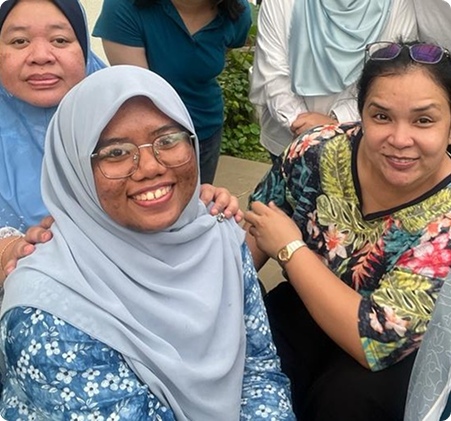
These three nurses have been with Kasih Hospice for over a decade, serving the community as dedicated hospice nurses.
Each time they step into a patient’s home, they are not just addressing a medical need—they are entering deeply personal, often vulnerable moments in a family’s life. Their work goes beyond managing pain and symptoms; it includes offering reassurance, adapting to different home environments, and supporting loved ones through uncertainty.
The role is both physically and emotionally demanding, with long hours spent traveling from home to home, often alone. Yet, through every challenge, they continue to show resilience, skill, and quiet compassion—because for them, hospice care is not just a profession, but a true calling.
What was the most challenging thing about working at a hospice?
SN Sunita Kaur: “Being on call all the time is still a challenge, even after so many years. I always want to do as much as I can for the patients and their families. Sometimes, my own family will ask if we can just have a meal, hang out, or go shopping without interruptions. I understand where they’re coming from, but honestly, I’m okay with it—it’s part of the work I’ve chosen, and it’s meaningful to me.”
SN Ruzanah Mohd Noor: “Although I had a strong nursing background before transitioning to hospice care, I quickly realized that only about 10% of what I knew applied to this setting. I had to unlearn and relearn so much to adapt my medical knowledge to hospice care.
The first 3–5 years were especially challenging—I struggled to separate myself emotionally from the pain and struggles that patient and their families faced during the end-of-life journey. It was difficult to stay detached while still carrying their emotions with me.
Over time, after attending several self-management courses, I became better at preparing for those tough conversations and handling the emotional weight of my work. I also learned that it’s okay to ask.”
SN Nurul Izza Yusub: “I had the knowledge from the Post Basic programme and other similar courses, but nothing could fully prepared me for the complex realities of being a hospice nurse. Our role goes beyond medical care—we step into patients' homes and become part of their unique family dynamics.
There were times when caregivers struggled to provide the level of care needed, not because they didn’t want to, but because of challenges like their physical limitations, living conditions, or financial constraints. These experiences taught me that hospice care isn’t just about tending to patients—it’s also about supporting families in whatever ways we can.”
The last 10 years (Part 3)
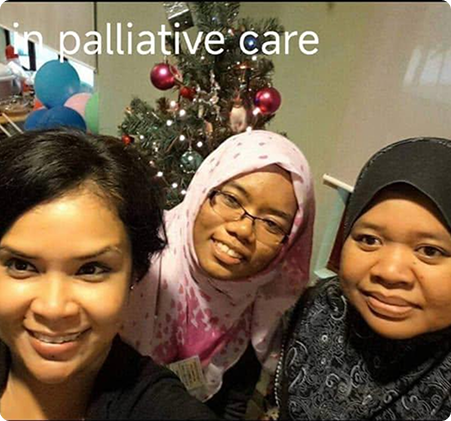
These three nurses have each served with Kasih Hospice for over a decade, caring for the community as dedicated hospice nurses.
Every visit goes beyond medical care—they step into deeply personal moments, managing symptoms while supporting patients and families with empathy and reassurance. Despite long hours on the road and the demands of working alone, they remain steadfast in their compassion and commitment. For them, hospice care is more than a job—it is a calling.
Do you have a patient that impacted your career as a hospice nurse?
SN Sunita Kaur: “I remember an auntie who had lost her ability to speak due to her illness. It was frustrating for both her and her family as they struggled to communicate. I had to think outside the box and try different approaches, and our breakthrough came when we started communicating through blinking.
Then COVID hit, and I could no longer visit her in person—I could only connect with her through Zoom or video calls. When the time came, I was physically present during her final moments, surrounded by her family. I tried to hold back my tears, wanting to be their rock, but I couldn’t help tearing up when she passed.
Afterward, one of her sons came up to me and said he appreciated my presence and the tears I shed for his mother. That meant so much to me—it was like receiving a “green light” to allow myself to be vulnerable with patients and their families.”
SN Ruzanah Mohd Noor: “In my early years as a hospice nurse at KHF, I cared for a patient with stage 4 cancer who had four young children, the eldest just 12 years old. While supporting her and her family, I often found myself caught in the middle of difficult discussions and conflicts about her care plan and the future of her children—mainly between her husband and her mother, each with their own perspective.
What I learned from this experience is that both her husband and mother were coming from a place of love—neither was right or wrong. It reinforced the importance of having open, calm, and structured family conferences to ensure that everyone is heard and that the patient’s care plan is discussed with compassion and clarity.”
SN Nurul Izza Yusub: “I can’t pinpoint just one particular patient, but over time, I’ve realized that my nursing degree and skills only equip me to care for a patient’s physical needs—not their emotional or psychosocial struggles. If I wanted to truly make a difference in hospice care, I knew I needed to be better prepared.
After witnessing the profound grief, anxiety, and emotional turmoil experienced by both patients and their loved ones, I decided to pursue a Master’s degree in Counselling. My hope is to support patients more holistically, providing not just medical care, but also emotional and psychological comfort during their most vulnerable moments.”
KL's Story

We got to know KL during our Day Care session at the Palliative Care Unit Ward, Selayang Hospital. KL
had always wanted to go to the seaside, so we took her to Port Dickson. I will never forget that
beautiful smile of hers as she looked at the sea.
She was again admitted to the PCU Ward in March and we started our “Sitting with KL” sessions a couple
of weeks after that.
My deep and sincere gratitude to all my fellow Kasih Hospice Day Care volunteers who were so committed
to accompanying and sitting with KL till the very end of her journey. I know KL would want me to
convey her deep appreciation to each and everyone of you again and again.
She was one of the most beautiful beings and souls whom I had the honor to meet and spent some time
with — she was simple and pure at heart and yet always so generous with her kindness and love for
others around her. Her quiet strength and determination were something I would always admire and
remember.
When I left her that Monday evening (the last sitting with KL), she looked really, really peaceful.
When I touched her to bid goodbye, her hands were cold, and I thought to myself, it would be Wesak Day
the next day.
And KL passed on in the early hours of Wesak Day in her sleep. Farewell KL.
Mrs M's Story

Mrs. M was the primary caretaker of her 60-year-old husband with Advanced Colon Cancer, and they were
an elderly couple living alone in Petaling Jaya. Mrs. M shared how being an end-of-life care patient
during the Covid-19 pandemic is one of the most frightening things a carer can experience.
“There are fears of going to the Covid hospital, fears that nobody would answer my questions, fears of
facing emergencies alone, fears of dying alone, fears of the actual process of dying itself. Help is
not at hand as it’s MCO (Movement Control Order) time, and we didn’t know what was going to happen day
by day.”
Luckily Kasih Hospice had made available an Oxygen Concentrator that enabled Mr M to leave the
hospital and spend his final days at home where he preferred to be. Our hospice’s Senior Palliative
Doctor, Dr. Vanitha, handled Mrs M’s case via a combination of both frequent teleconferencing and
supportive home visits in full PPE.
One morning, Mrs M called up Dr. Vanitha in tears to share her foreboding feeling that Mr. M was going
to pass away soon. Our doctor assured her that Mr. M was comfortable and that the family had done
everything they could. Mrs M read aloud the poems that Mr. M had written for his family over the
years.
As Mr M was taking his last breath, Mrs M managed to videocall her children, and they witnessed Mr.
M’s passing, together as a family.
Tuti's Story

We would like to introduce our hero, Tuti, who works as a home helper in Malaysia. Tuti came to know
about Kasih Hospice 4 years ago. Even at that time, her generosity and spirit compelled her to donate
RM 10 to our cause. She has since been annually making contributions of RM 10 to RM 20 to Kasih from
her savings.
This year when Tuti found out about our “Shave for Palliative Care” campaign, she immediately made a
pledge of RM 500, which she dedicated to the mother of her employee as well as to all the Covid
patients in Malaysia.
Her compassion and nobility bought tears to our eyes. To us, this donation is one of the most valuable
gifts we received; because we know what it takes – as any witness will.
The true cost of a single dollar differs from person to person. We know that Tuti went without, so
that others would not have to. Tuti wanted to give up the things she thought she didn’t need, so that
those who need them more than her might benefit.
Let us fold our palms for Tuti, who inspires and humbles us, and who is a Great Teacher on the true
art of compassion, nobility, and faith in humanity.
Thank you for being an example to us all.